How does a tablet change your mouth's bacteria?
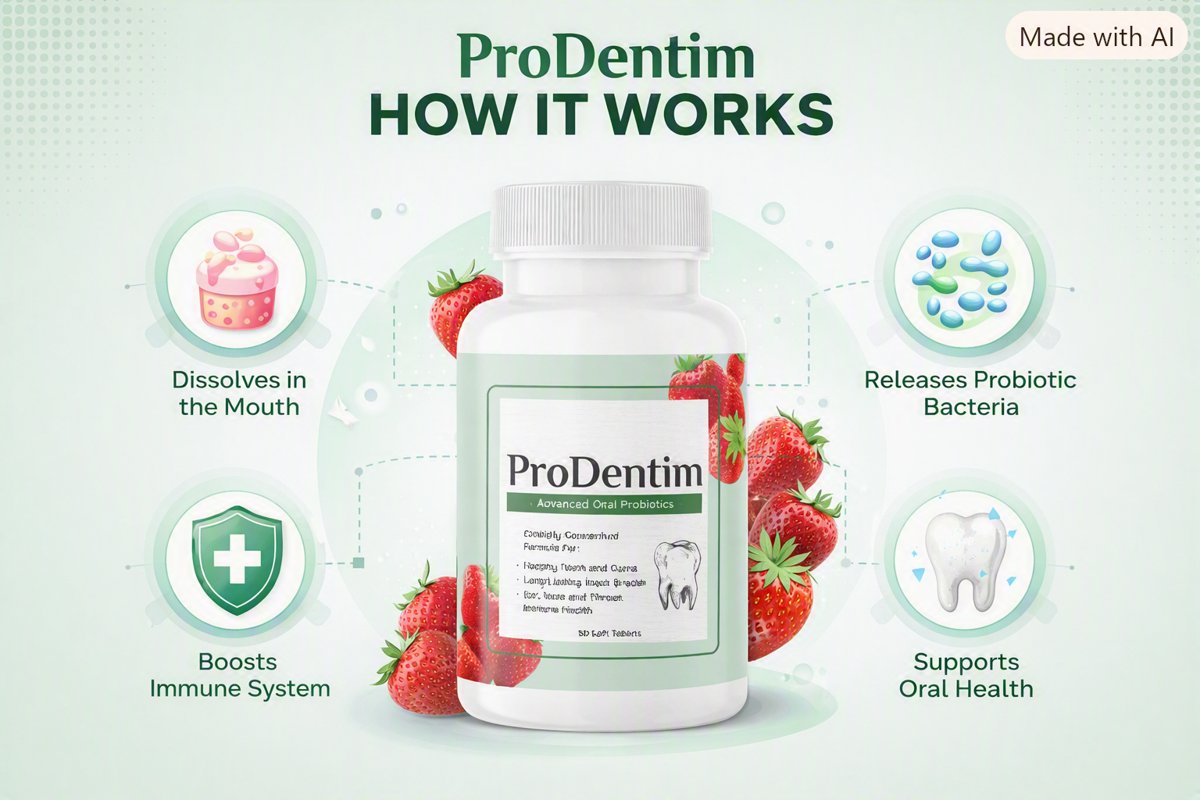
Not through force. Through competition — introducing enough of the helpful strains that the harmful ones lose ground.
Step one: crowd the field
Each of the three strains competes for the same space and resources that pathogenic bacteria would otherwise use. L. reuteri, specifically, has been tested in randomized trials against gingival inflammation and bleeding on probing, with consistent reductions across 14 separate trials in one systematic review.
Step two: feed what you introduced
This is the part most competing products skip. Introducing a probiotic strain without a food source for it is a bit like planting seeds in dry soil — some survive, most don't stick around. Inulin is a fiber the beneficial strains can actually metabolize, which is why it's paired with the probiotics rather than left out.
Step three: clean up what's left
Malic acid contributes on two fronts — mild plaque loosening at the surface, and a nudge to saliva production, which mechanically clears debris on its own.
None of this regrows lost gum tissue or reverses a cavity that's already formed. It's a working adjunct to normal dental care, not a substitute for it. Full ingredient detail on the ingredients page.